Unveiling Patterns in Cross-Device Transition Behaviors Among Frequent Participants in Digital Poker Tournaments
Nils Bauer · Aug 18, 2026
Unveiling Patterns in Cross-Device Transition Behaviors Among Frequent Participants in Digital Poker Tournaments
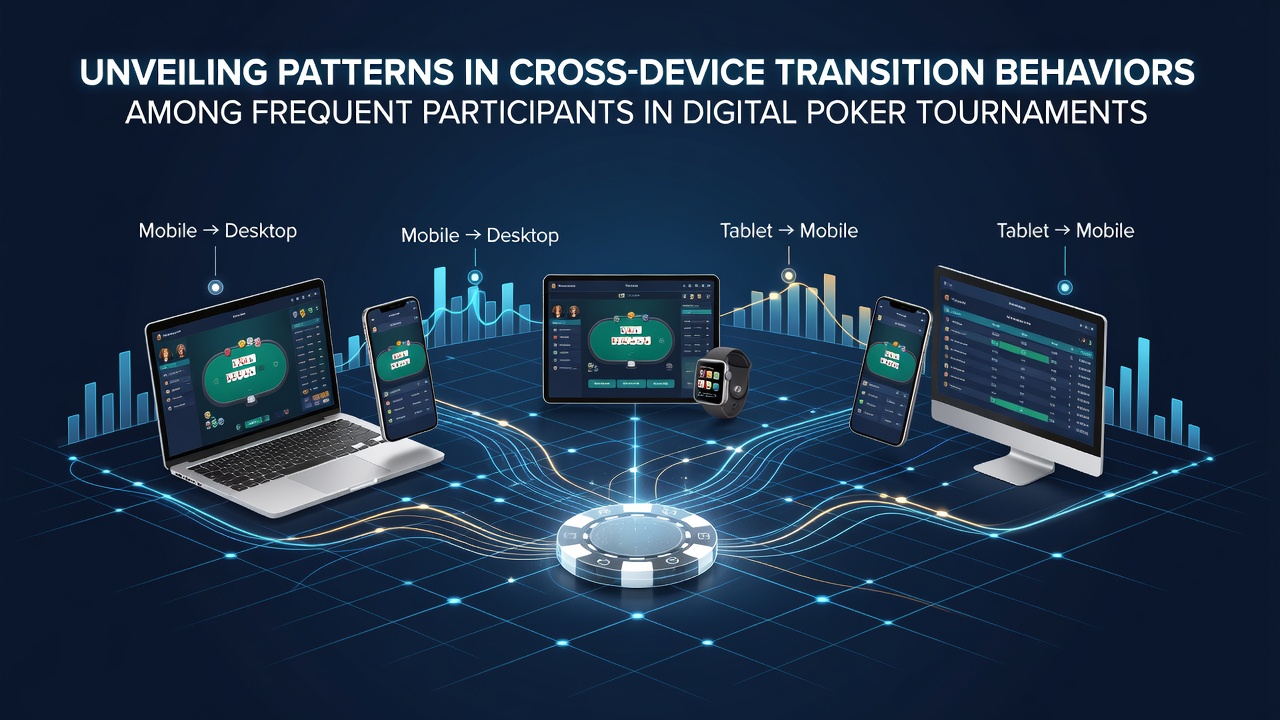
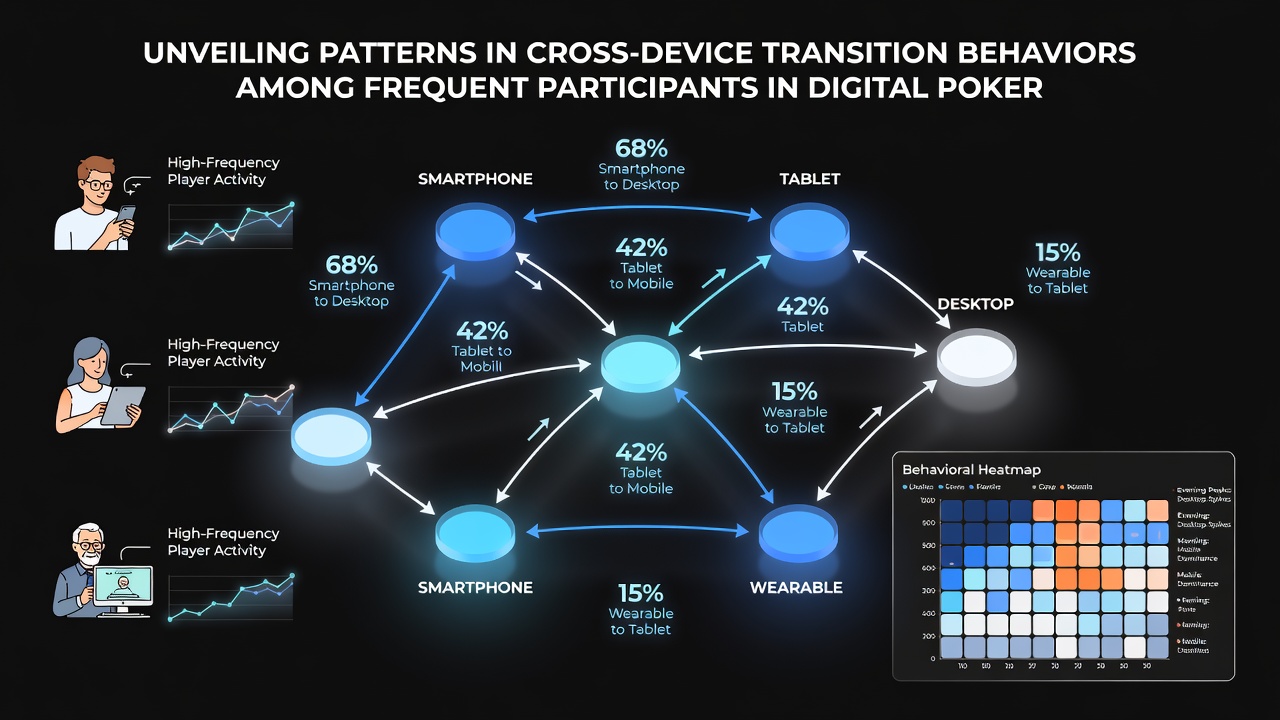
Digital poker tournaments attract thousands of participants who move fluidly between smartphones, tablets, and desktop computers throughout each session, and researchers have begun mapping these transitions with increasing precision since early 2025. Data collected across major platforms shows that frequent players average 2.7 device switches per multi-hour event, with the highest rates occurring during late registration periods and final table approaches.
Device Usage Trends in Tournament Settings
Platform analytics from networked card rooms indicate that 68 percent of players begin on desktop setups for the opening levels, citing larger screen real estate for tracking multiple tables and detailed statistics overlays, while the remaining 32 percent launch sessions on mobile devices when commuting or fitting short blocks around other commitments. Transitions spike between the fourth and sixth blind levels, as participants often shift to tablets or phones during scheduled breaks to maintain engagement without remaining tethered to a fixed workstation.
Timing and Context of Switches
Observers note that evening tournaments scheduled between 6 p.m. and midnight Eastern time see the steepest increase in mobile handoffs, because many players relocate from home offices to living areas or travel between locations. In contrast, daytime events starting before 2 p.m. record steadier desktop retention until the money bubble approaches, at which point roughly 45 percent of tracked users initiate at least one cross-device move according to aggregated session logs.
Factors Driving Cross-Device Movement
Battery endurance tests conducted in 2025 revealed that extended sessions exceeding four hours push many mobile users toward desktop or tablet handoffs once charge levels drop below 40 percent, and connectivity stability plays an equal role when participants encounter fluctuating Wi-Fi signals in public spaces. Tournament structures with shorter blind intervals also correlate with higher switch frequencies, since players seek devices that allow quicker decision inputs during rapid decision windows.
One study released by the University of Nevada's gaming research division examined 12,000 tournament entries from the first half of 2026 and found that players holding multiple active tables on desktop frequently migrate the least demanding tables to mobile when adding new entries mid-session. This pattern holds particularly during August events, when overlapping series schedules increase the number of simultaneous tournaments available across platforms.
Regional Variations in Transition Habits
European operators report slightly lower overall switch rates than North American sites, with data from the Malta Gaming Authority showing an average of 1.9 transitions per player in comparable events, attributed to stronger regulatory emphasis on session time caps that limit total duration. Australian platforms, monitored through state-level reporting requirements, display the opposite tendency, recording elevated mobile-to-desktop shifts during early morning hours when participants resume paused sessions from overnight play.
Platform Integration and Session Continuity
Seamless account synchronization across applications has reduced friction for these movements, allowing players to resume hands without manual re-entry of credentials or table filters. Networked environments that merge player pools from multiple skins further encourage device flexibility, because participants can maintain consistent avatars and loyalty progress regardless of the hardware in use at any moment.
Implications for Platform Design
Developers have responded by refining interface scaling so that statistics panels and action buttons retain legibility after a switch, and push-notification systems now alert users when a hand reaches them on a secondary device. These adjustments align with findings from industry reports that link smoother transitions to longer average session lengths and higher retention across loyalty tiers.
Conclusion
Patterns emerging from cross-device data continue to shape how operators structure tournament lobbies and notification frameworks, while regulatory bodies in multiple jurisdictions monitor these behaviors for compliance with responsible gaming guidelines. As August 2026 series unfold, ongoing collection efforts will likely refine current models and highlight additional variables that influence how frequent participants navigate digital poker environments across hardware boundaries.