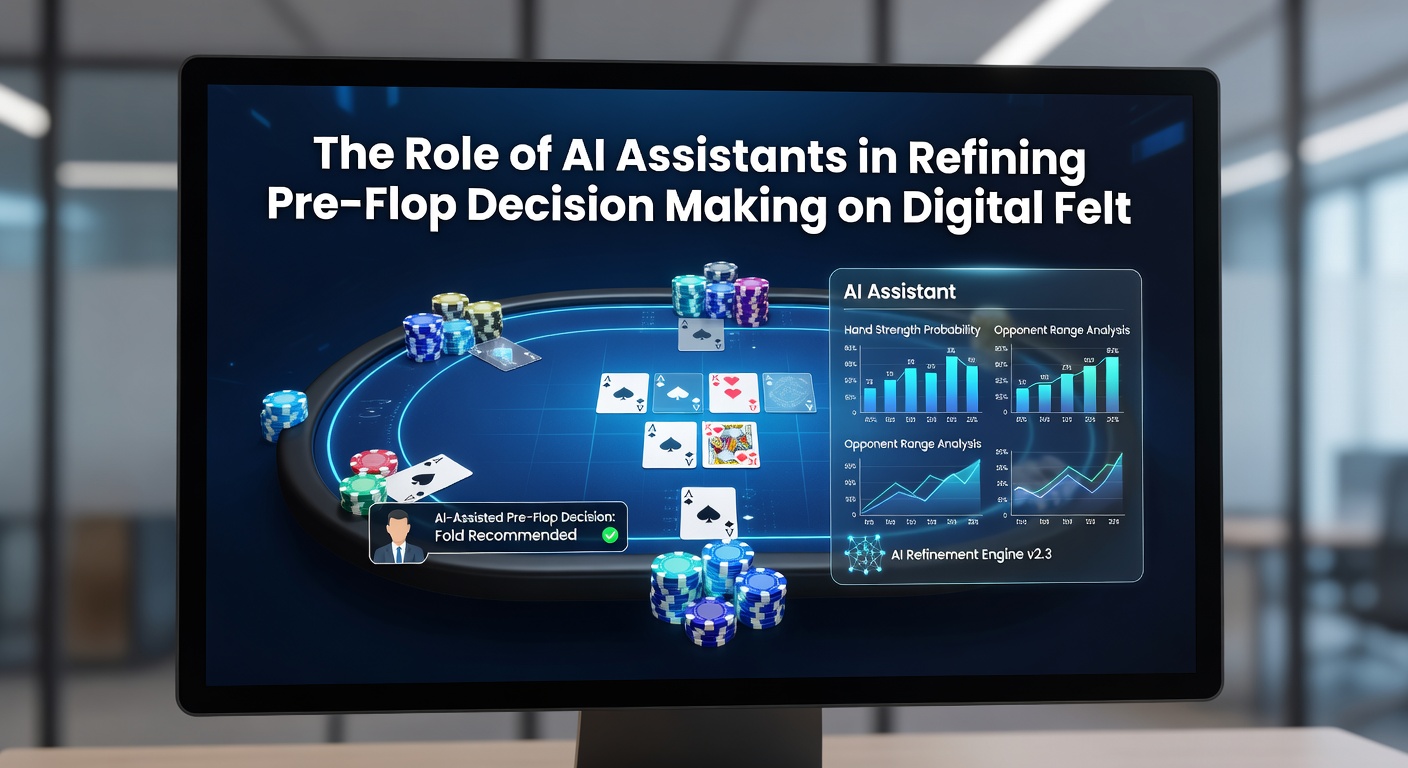
The Role of AI Assistants in Refining Pre-Flop Decision Making on Digital Felt
Xander Meier · May 23, 2026
The Role of AI Assistants in Refining Pre-Flop Decision Making on Digital Felt
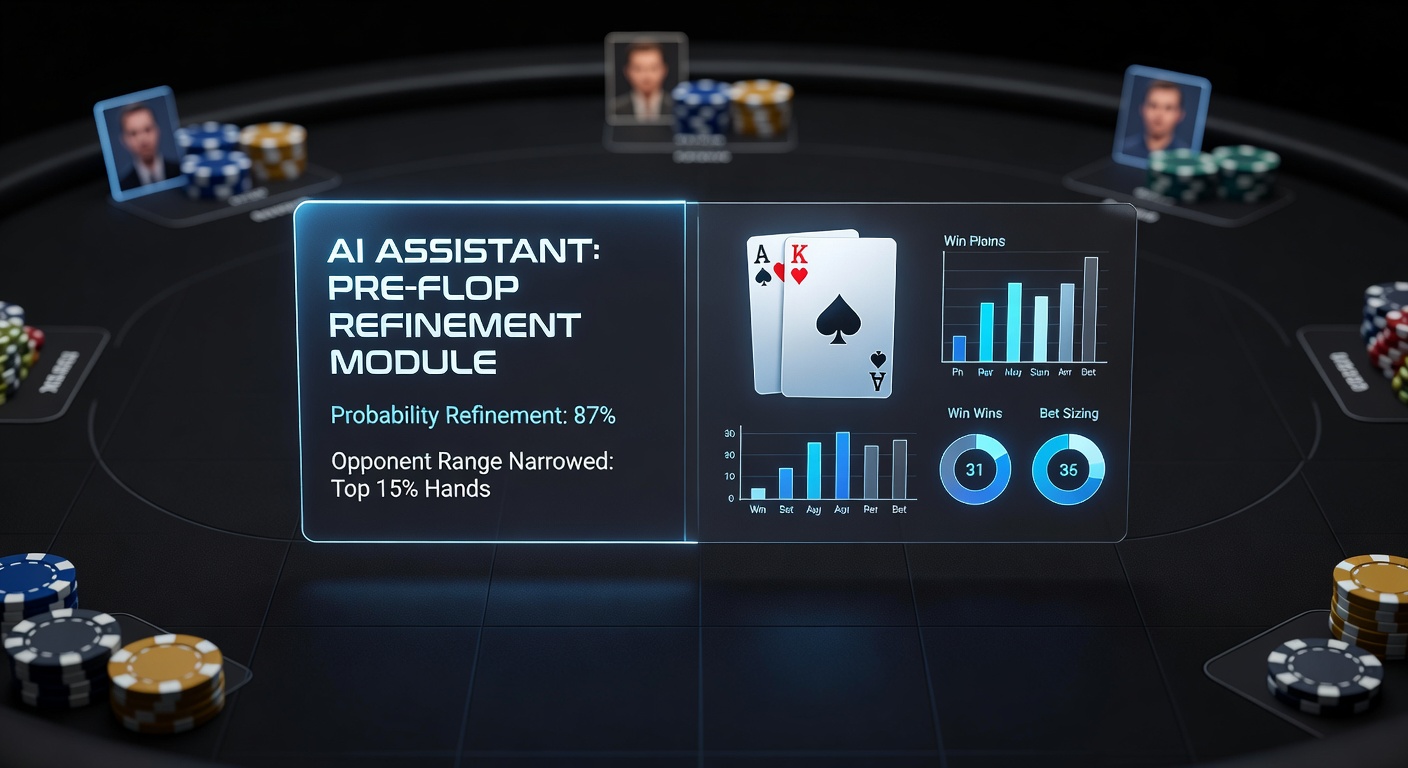
Online poker platforms have integrated AI assistants into pre-flop strategy tools since the early 2020s, and data from May 2026 shows continued adoption across major digital felt sites. These systems analyze hand ranges, position dynamics, and opponent tendencies before the first cards hit the virtual board, which helps players refine opening decisions without replacing human judgment.
Core Elements of Pre-Flop Strategy on Digital Platforms
Pre-flop choices set the foundation for every hand in no-limit hold'em and similar variants, since they determine stack-to-pot ratios and post-flop playability from the outset. Observers note that players on digital tables face thousands of micro-decisions per session, with position, stack depth, and table dynamics shifting constantly. AI assistants process these variables through real-time equity calculators and historical database queries, delivering range suggestions that account for hundreds of thousands of prior hands.
Research from academic gaming labs indicates that pre-flop errors often stem from incomplete range construction rather than post-flop misreads. Tools built on neural network models now simulate GTO (game theory optimal) baselines while adjusting for population tendencies observed on specific sites, which allows users to compare their planned actions against aggregated data.
How AI Assistants Process Pre-Flop Scenarios
Modern AI assistants pull live data feeds from poker platforms and cross-reference them with solver outputs generated offline. When a player faces an early-position decision, the system evaluates fold equity, implied odds, and blocker effects simultaneously, then presents a condensed recommendation through an overlay or sidebar interface. Those who've studied these implementations report that the software updates ranges dynamically as stack sizes change or new opponents join the table.
What's interesting is the way these assistants handle multi-way pots, where traditional charts fall short. They run Monte Carlo simulations on the fly, factoring in three-bet frequencies and squeeze opportunities that shift based on recent table action. In May 2026, several platforms began testing collaborative features where multiple users share anonymized pre-flop data streams to refine collective models without exposing individual strategies.
Integration with Existing Poker Ecosystems
Leading digital felt operators have embedded AI modules directly into their client software, reducing the need for external tracking programs. This integration lets players toggle between basic HUD statistics and advanced pre-flop advisors during cash games or tournaments. Data shows that sites with regulatory oversight in regions such as Australia and parts of Canada have required clear disclosure when AI features influence decision prompts, ensuring transparency for users.
Industry reports from the European Gaming and Betting Association highlight that adoption rates climbed steadily through 2025 into 2026, particularly among mid-stakes regulars who manage multiple tables. These assistants also sync with session review tools, allowing players to replay hands and see how alternative pre-flop lines would have altered expected value calculations.
Evidence from Performance Tracking Studies
Independent analyses conducted by university research groups have examined win-rate improvements among players who consistently consult AI pre-flop guidance versus those who rely solely on memorized charts. Results indicate measurable gains in tight-aggressive metrics, especially in blind defense situations where population tendencies deviate from theoretical ranges. One study revealed that participants reduced their voluntary put-money-in-pot percentage by small but consistent margins after incorporating solver-adjusted suggestions.
Turns out the biggest impact appears in high-volume online sessions, where fatigue can lead to autopilot decisions. AI assistants flag spots where historical data shows a player has over-folded or over-raised relative to their own tracked tendencies, prompting adjustments before the action reaches them. Figures from platform analytics in early 2026 confirm that users who engage these features log longer sessions with stable decision quality compared to control groups.
Regulatory and Ethical Considerations
Gaming authorities in multiple jurisdictions have begun reviewing how AI assistants interact with fair-play rules. A report issued by the Nevada Gaming Control Board outlines requirements for operators to separate AI-driven strategy aids from any automated betting functions, preserving the line between assistance and autonomous play. Similar guidelines have emerged in other regulated markets, focusing on data privacy when assistants access hand histories across networks.
Those monitoring the space note that responsible-use policies often recommend time limits on AI consultation during live play to maintain skill development. Platforms that comply with these standards typically provide opt-in toggles and clear explanations of the data sources feeding each recommendation.
Conclusion
AI assistants continue to shape pre-flop decision frameworks on digital felt by supplying structured data and range visualizations that complement player experience. As of May 2026, the technology remains an analytical aid rather than a replacement for situational awareness, with ongoing refinements tied to both regulatory feedback and performance metrics gathered across global platforms. The ball remains in the court of individual users to integrate these tools responsibly while tracking their own results over time.