Analyzing Behavioral Pattern Recognition Systems Used by Online Poker Platforms to Identify Multi-Accounting Activities
Xander Meier · Aug 11, 2026
Analyzing Behavioral Pattern Recognition Systems Used by Online Poker Platforms to Identify Multi-Accounting Activities
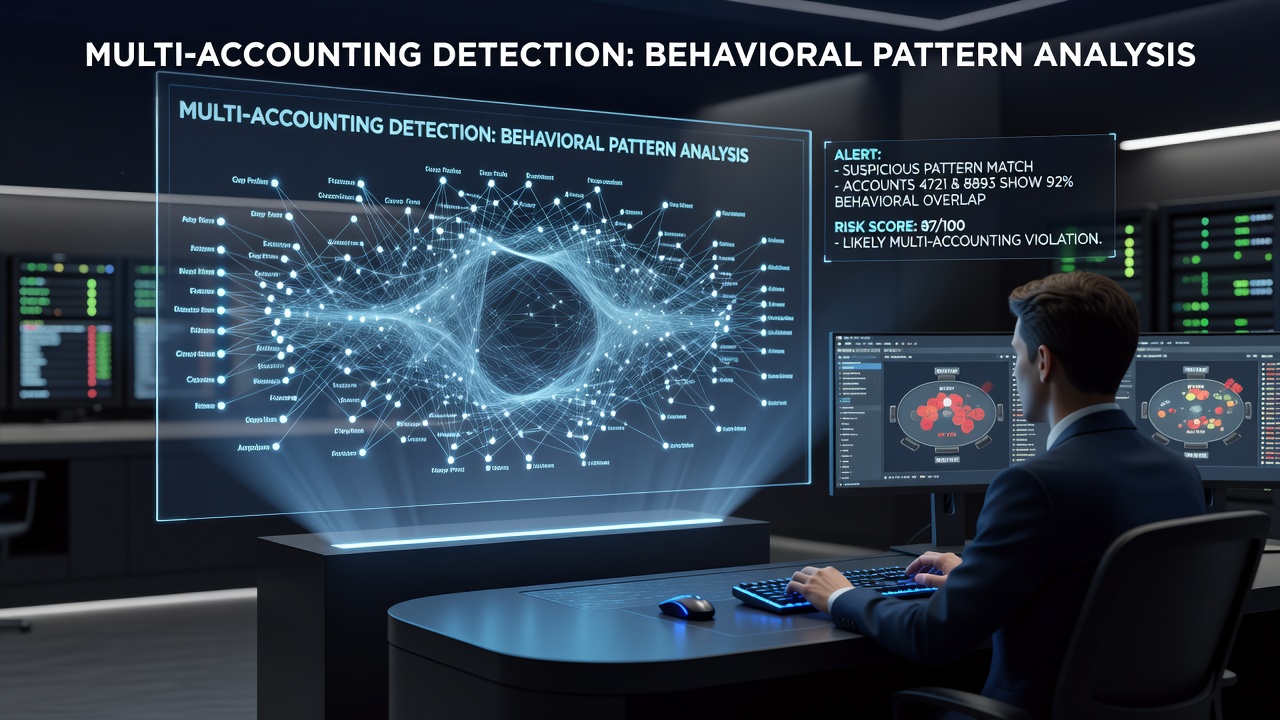
Online poker platforms deploy behavioral pattern recognition systems to flag multi-accounting, where individuals operate multiple accounts to gain unfair advantages such as bonus abuse or collusion. These systems analyze vast datasets including login timestamps, device fingerprints, IP addresses, and in-game actions like bet sizing consistency or reaction times across sessions. Researchers at institutions studying digital gaming integrity have documented how machine learning models cluster player profiles by comparing hand histories and mouse movement trajectories, revealing anomalies that human reviewers might overlook.
Multi-accounting detection begins with baseline profiling during account creation and login sequences. Platforms collect hardware identifiers, browser configurations, and geolocation signals, then cross-reference them against existing user records. When patterns emerge such as identical keystroke rhythms or synchronized session starts from the same network, algorithms assign risk scores that trigger manual audits or automated restrictions. Data from industry reports indicates that European operators processed millions of such flags in recent years, with a notable uptick in detections reported around mid-2026 as platforms refined their models ahead of regulatory reviews.
Core Data Inputs and Algorithmic Approaches
Behavioral systems integrate multiple layers of information to build player signatures. Session overlap analysis examines whether accounts log in and out within narrow time windows while exhibiting similar decision speeds, whereas style matching evaluates aggression frequencies and fold rates over thousands of hands. Observers note that advanced implementations incorporate graph theory to map connections between accounts through shared payment methods or common opponents in multi-table sessions. A study published in the Journal of Gambling Studies examined these techniques and found that combining temporal data with interaction metrics improved identification accuracy by measurable margins compared to single-factor checks.
Device fingerprinting plays a central role because players often reuse hardware across accounts. Platforms track canvas rendering variations, font lists, and sensor readings from mobile apps, then feed these into clustering algorithms that group similar profiles. When two accounts show near-identical fingerprints yet claim separate ownership, the system flags them for further scrutiny. Canadian regulatory frameworks, outlined through the Alcohol and Gaming Commission of Ontario guidelines on online integrity, require operators to maintain logs of these matches for compliance audits.
Real-World Implementation Patterns Across Platforms
Major networks have shared limited details about their detection pipelines through public statements and security filings. One documented case involved a European operator that identified a ring of 12 accounts linked by overlapping play patterns during a 2025 tournament series, leading to fund freezes and account closures. These efforts rely on continuous model training, where new flagged cases refine the parameters for future detections. What's notable is how platforms balance detection sensitivity against user experience, because overly aggressive thresholds can inconvenience legitimate players who share households or travel frequently.
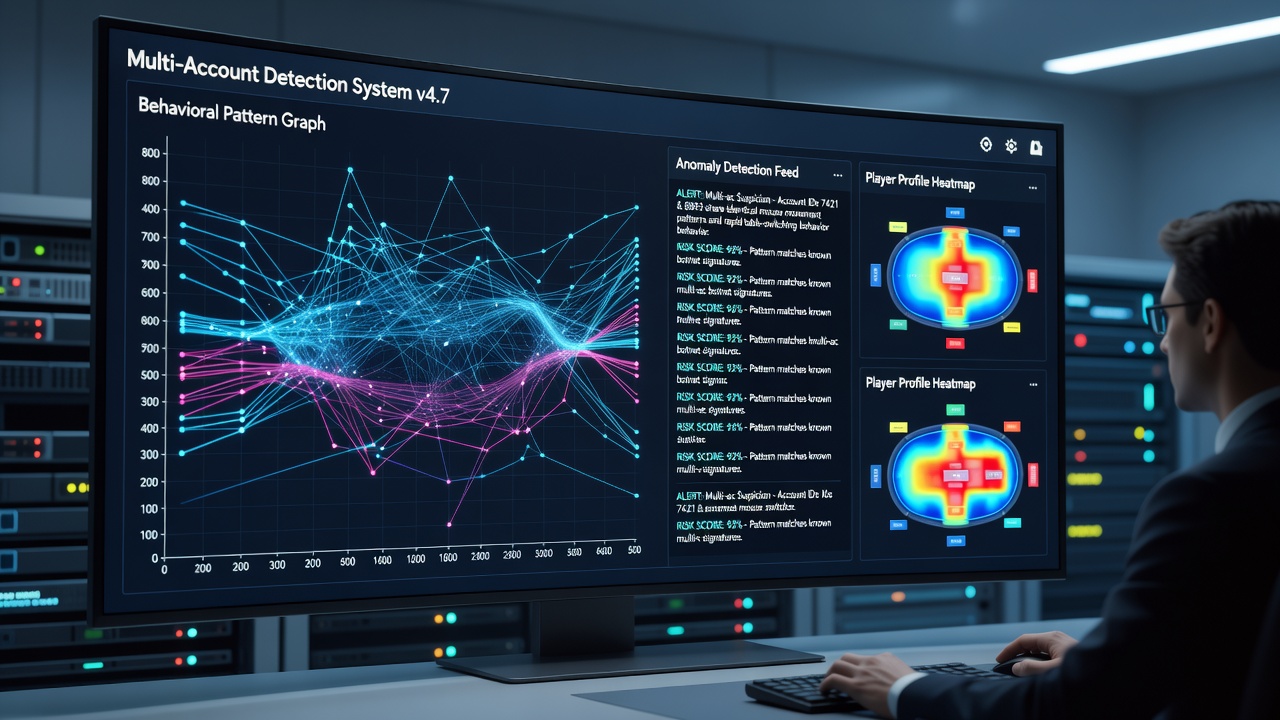
August 2026 saw several networks update their systems following industry conferences where data scientists presented findings on emerging evasion tactics such as VPN rotation and virtual machine usage. These updates incorporated deeper behavioral biometrics like click pressure patterns on touchscreens and cursor acceleration profiles. Academic analyses suggest that such refinements reduce false negatives, although they increase computational demands on server infrastructure.
Challenges in Accuracy and Regulatory Context
False positives remain a persistent issue because skilled players can naturally develop similar styles over time. Systems therefore incorporate confidence intervals and require corroborating evidence before taking enforcement action. Privacy regulations in various jurisdictions further constrain data retention periods, forcing operators to delete certain behavioral logs after set intervals unless they relate to active investigations. Those who've examined enforcement records note that appeals processes often hinge on players providing proof of distinct device usage or geographic separation.
International coordination adds another layer, since multi-accounting rings frequently span borders. Industry associations have begun exchanging anonymized pattern data to track cross-platform activity, though legal hurdles limit the scope of these exchanges. The ball remains in the court of regulators to standardize reporting requirements that protect both platform integrity and player privacy.
Conclusion
Behavioral pattern recognition continues to evolve as a primary tool for online poker platforms combating multi-accounting. By combining device data, session analytics, and machine learning, operators achieve higher detection rates while adapting to new evasion methods. Ongoing research and regulatory updates shape these systems, ensuring they remain effective components of broader integrity frameworks across digital card rooms.